

What Can You Cook on a Commercial Hot Plate?

Updated: Sep 30
A commercial kitchen hot plate can do far more than one job. In restaurants, cafés, hotels, cloud kitchens and canteens, a flat hot plate or griddle-style cooking surface can handle everything from burger patties and toasted sandwiches to eggs, paneer, vegetables, dosa and quick-service snacks. The key is matching the plate size, heat control and surface type to the menu.
If you are still deciding what specification your kitchen needs, start with our Commercial Hot Plate Buying Guide for Restaurants and Commercial Hot Plate Size Guide for equipment-selection guidance.
How Commercial Hot Plates Are Used in Restaurant Kitchens
In a professional kitchen, a commercial hot plate is usually treated as a flexible production station rather than a single-purpose appliance. Chefs use the heated surface for direct-contact cooking, searing, toasting and finishing. On a busy line, the same plate can be divided into working zones so several menu items move through service at the same time.
Flat commercial hot plates are especially useful where speed, repeatability and a compact footprint matter. They can support breakfast service in the morning, sandwiches and burgers at lunch, and paneer, vegetables, kebabs or wraps later in the day. For kitchens comparing flat-surface cooking with other equipment, see our
Commercial Hot Plate vs Commercial Griddle guide for the practical differences in cooking surface, applications and capacity.

Burgers and Patties
Burger patties are one of the most common hot plate uses because a flat heated surface creates direct contact across the entire patty.A dedicated burger hot plate allows quick-service restaurants to manage patty cooking, browning and batch preparation efficiently. This helps with browning, consistent cooking and fast batch production. Operators can also use one side of the plate for patties while warming onions or buns on another section.
For burger-focused outlets, plate recovery, grease drainage and usable cooking width matter as much as the nominal equipment size. The Burger Hot Plate: Commercial Griddle Guide for Restaurants explains how to plan a burger station around batch size and peak-hour demand.
Sandwiches and Toasted Breads
A commercial hot plate works well for toasted sandwiches, grilled breads, pav-style buns, panini-style items and open sandwiches. The broad surface allows several portions to be toasted together, while chefs can control browning by shifting items between hotter and cooler areas of the plate.
For cafés and snack counters, this makes the hot plate useful beyond main-course cooking. The same station can toast bread, heat fillings, soften onions and finish sandwiches without adding multiple small appliances to the line.
Eggs and Breakfast Items
Eggs, omelettes, scrambled eggs, pancakes, French toast and breakfast vegetables can all be cooked efficiently on a flat commercial hot plate. A broad surface makes it easier to prepare several breakfast orders at once, which is particularly useful in hotels, cafés, breakfast counters and institutional kitchens.
Breakfast items usually benefit from controlled medium heat rather than maximum plate temperature. Keeping one section slightly cooler can help with eggs and breads while a hotter zone handles items that need stronger browning.
Paneer and Vegetables
Paneer cubes, sliced vegetables, mushrooms, onions, peppers and other quick-cooking ingredients perform well on a hot plate because the direct metal contact encourages surface browning without requiring a deep pan. Restaurants can use the plate for tandoori-style finishing, sautéed vegetable sides, grilled paneer fillings and fast vegetarian snacks.
For mixed vegetarian and non-vegetarian menus, clearly separated working zones and proper cleaning procedures are important to reduce cross-contact and keep service organized.
Kebabs and Cutlets
Pre-shaped kebabs, vegetable patties, aloo tikki, fish cakes and cutlets can be shallow-cooked or finished on a flat hot plate. The surface gives operators enough room to manage several portions without crowding a frying pan. It is also easier to turn and reposition items when service volumes increase.
For coated or delicate cutlets, moderate heat and adequate oil control help prevent the outside from browning too quickly before the centre is heated through.
Dosa and Indian Breakfast Items
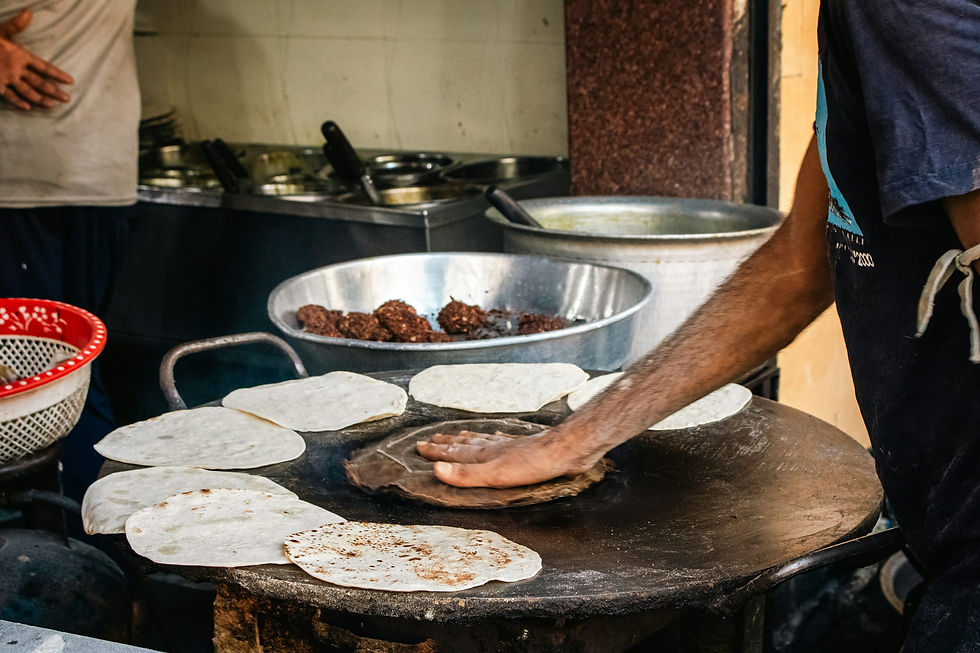
Dosa, uttapam and several Indian breakfast items can be cooked on a suitable flat commercial hot plate For other traditional Indian preparations requiring direct high heat, a commercial tandoor is commonly used for grilling and baking applications.when the plate is broad, smooth and capable of maintaining even heat. For consistent dosa production, surface area and heat distribution are especially important because batter must spread evenly and cook at a predictable rate.
A general-purpose hot plate can work for moderate dosa demand, while a dedicated dosa plate may be better for restaurants where dosa is a major part of the menu.Similarly, an indian hot plate designed for traditional food preparation can help kitchens handle regular Indian menu requirements efficiently. The decision should be based on peak orders, usable plate width and how much of the kitchen line is dedicated to South Indian breakfast production.
Fried Rice and Stir-Fry Applications
A flat hot plate can support certain fried-rice and stir-fry applications when ingredients are prepared in smaller batches and the equipment is designed for direct-contact cooking. Rice, vegetables and pre-cooked proteins can be tossed and finished quickly across a hot surface using spatulas.
However, a wok range is generally more appropriate for very high-heat tossing, large volumes of sauce or dishes that depend on the curved wok shape. The hot plate is most useful for quick finishing and moderate-batch stir-fry work rather than replacing every wok application.
Heating Buns and Wraps
Burger buns, pav, tortilla-style wraps, flatbreads and sandwich breads can be warmed directly on the plate. This is useful in fast-service kitchens because warming can happen alongside the main cooking process without slowing the line.
Keeping a lower-temperature zone for breads helps prevent burning while hotter areas remain available for patties, paneer, vegetables or other items that need stronger searing.
Cooking Multiple Foods at the Same Time
One of the strongest commercial hot plate uses is simultaneous cooking. A sufficiently large plate can be divided operationally into zones: one for burgers or cutlets, one for vegetables, another for bread warming and a final area for finishing. This reduces equipment changes and keeps chefs working within one compact station.
Plan zones around food-safety and cross-contact requirements.
Keep raw proteins separate from ready-to-eat breads and finished foods.
Match each zone to the temperature needs of the food being cooked.
Avoid overcrowding, because excessive loading can reduce surface recovery.
Scrape and wipe the plate between menu changes where appropriate.
Foods That Are Not Ideal for a Flat Hot Plate
A flat hot plate is versatile, but it is not the right tool for every preparation. Soups, curries, gravies and large-volume boiling need vessels or dedicated ranges. Deep-fried foods need a fryer,Similarly, restaurants preparing tandoori items may prefer a steel tandoor for restaurant operations instead of using flat-surface cooking equipment. while high-liquid dishes can be difficult to control on an open flat surface.
Very delicate foods that require gentle steaming or precise sauce retention may also be better handled in pans. A multi-menu restaurant should treat the hot plate as one part of the cooking line, not as a replacement for every other cooking method.
How Plate Temperature Affects Different Foods
Different foods need different surface temperatures. Eggs and breads generally perform better at moderate heat, while burgers, paneer, kebabs and many vegetables benefit from higher heat for browning. Dosa needs a stable, evenly heated surface so batter spreads and cooks consistently.
As a practical kitchen rule, avoid operating the entire plate at one extreme temperature for a mixed menu. Zoned heat management improves control and can reduce burning, sticking and excessive waiting between batches.
If you are choosing between utility types, our Gas vs Electric Commercial Hot Plate guide covers heat response, installation and maintenance considerations.

Choosing a Hot Plate Based on Your Menu
The menu should determine the equipment specification. A burger outlet may prioritize a wide flat plate and grease management. A café may need a smaller surface that can handle eggs, sandwiches and buns. A South Indian restaurant may need more plate area for dosa and breakfast items, while a multi-cuisine restaurant may value a flexible hot plate that supports several small production tasks.
Before buying, compare your busiest service period with the usable cooking area rather than relying only on overall dimensions. The Commercial Hot Plate Size Guide explains how to estimate capacity from peak orders and available kitchen space.
Commercial Hot Plate for Multi-Menu Kitchens
For restaurants that serve several categories of food, a commercial hot plate can become one of the most productive stations on the line. It can move from breakfast to snacks, burgers, sandwiches, paneer, cutlets, vegetables and bread warming without requiring a complete station change.
Capital Equipment India’s Commercial Hot Plate (SS 304) is a relevant option for professional kitchens that need a durable stainless-steel hot-plate station. Final selection should be based on menu mix, plate size, peak-hour output, utility availability and the workflow around the cooking line.
FAQs
What can you cook on a commercial hot plate?
A commercial hot plate can be used for burgers, patties, sandwiches, eggs, breakfast items, paneer, vegetables, kebabs, cutlets, dosa, wraps, buns and many quick-service foods. The exact menu depends on the plate design and available temperature control.
Can you cook burgers on a commercial hot plate?
Yes. A flat commercial hot plate is commonly used for burger patties because it provides direct contact with the cooking surface and supports batch cooking. Plate width, grease drainage and heat recovery are important for high-volume burger service.
Can a commercial hot plate be used for dosa?
Yes, if the hot plate has a broad, smooth and evenly heated surface. For restaurants with heavy dosa demand, a dedicated dosa plate may be more practical because it provides more usable area for continuous production.
Can you cook eggs and breakfast items on a hot plate?
Yes. Eggs, omelettes, pancakes, French toast and breakfast vegetables are well suited to a flat hot plate. Moderate, stable heat generally gives better control than running the whole plate at maximum temperature.
Can paneer and vegetables be cooked on a commercial hot plate?
Yes. Paneer, onions, peppers, mushrooms and other vegetables can be browned and finished directly on the plate. Separate cooking zones can help a mixed-menu kitchen manage different foods efficiently.
Can fried rice be made on a flat hot plate?
A flat hot plate can be used for smaller-batch fried rice and quick finishing, especially when ingredients are already prepared. For high-heat wok cooking or large quantities of sauce, a dedicated wok range is usually more suitable.
How do restaurants cook several foods on one hot plate?
Restaurants divide the plate into working zones based on heat level and food type. Proper separation, cleaning and food-safety procedures are important when raw proteins, vegetarian items and ready-to-eat foods share the same station.
How do I choose the right commercial hot plate for my menu?
Start with your highest-volume menu items, peak orders per hour, required cooking surface, available gas or electrical supply and kitchen footprint. Choose a plate that provides enough working area without creating unnecessary congestion on the line.


Comments