

How to Choose the Best Hot Plate for a Restaurant Kitchen

Updated: Oct 7
Choosing a hot plate for a restaurant kitchen is not only about buying the largest cooking surface. The right unit has to match your menu, peak orders per hour, available floor or counter space, fuel supply, ventilation, cleaning routine and the way your chefs actually work during service. A properly specified restaurant hot plate can improve heat recovery, reduce waiting between batches and give the kitchen a more predictable cooking rhythm.
This 2026 guide focuses on practical selection for Indian restaurant kitchens. It covers sizing, output, plate construction, gas versus electric operation, installation and the specifications that matter when equipment will be used for several hours every day.

Why Restaurants Use Commercial Hot Plates
Commercial hot plates are designed for repeated, high-duty cooking. Compared with domestic appliances, restaurant models normally use heavier cooking plates, stronger frames and components intended to handle long service periods. They are useful when a kitchen needs a broad heated surface for direct-contact cooking or a powerful station for pans, depending on the hot-plate configuration.
For kitchens still deciding between a flat hot plate and a griddle-style unit, our commercial hot plate vs commercial griddle guide explains the difference in cooking surface, applications, capacity and cleaning.
Common Restaurant Applications
A restaurant hot plate can support breakfast, snack, fast-food and à la carte production. Common applications include burger patties, sandwiches, eggs, vegetables, kebabs, parathas, pancakes, dosa and other items that benefit from a stable, controllable heated surface.
Burger and sandwich production in QSR and fast-food kitchens
Eggs, pancakes and breakfast items in cafés and hotels
Dosa, uttapam and tawa items in South Indian kitchens
Vegetables, kebabs and grilled accompaniments
Batch cooking during peak lunch and dinner service
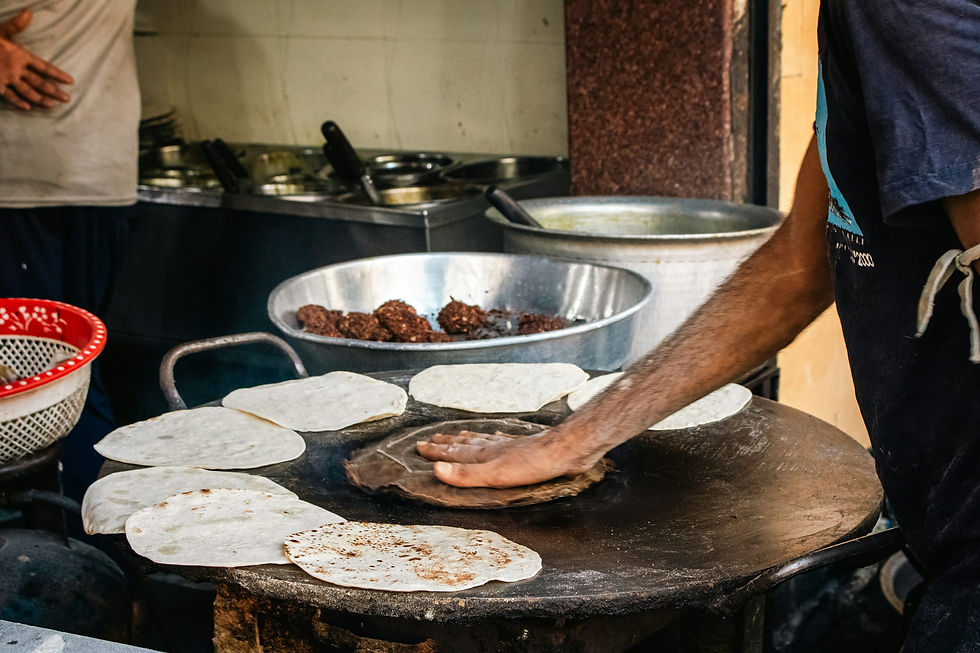
Types of Restaurant Hot Plates
The best type depends on what you cook. Flat-plate units are suited to direct-contact cooking, while burner-style hot plates are better when pots and pans are the primary load. Gas models remain common where LPG or PNG is readily available, while electric and induction equipment can suit kitchens that prioritise precise control, easier zoning or reduced open flame.
Flat hot plate or griddle-style surface
A flat cooking surface gives chefs a large working area and is useful for burgers, sandwiches, dosa, breakfast items and many fast-moving menu products. Plate thickness and heat recovery become especially important when cold food is placed on the surface repeatedly during rush periods.
Burner-based hot plate
A burner hot plate is better for saucepans, stock pots and sauté pans. It behaves more like a compact commercial range and should be selected by burner count, heat output and pan size.
Electric or induction hot plate
Electric and induction models can be useful where the kitchen has sufficient electrical load and wants tighter temperature control. Induction is especially effective when compatible cookware is used and the objective is fast pan heating with less ambient heat.
What Size Hot Plate Does Your Restaurant Need?
Start with your menu and peak service demand rather than with the equipment catalogue. A small café serving a limited breakfast menu may need only a compact countertop unit, while a busy burger outlet or South Indian restaurant may require a much wider plate so several portions can cook simultaneously.
Measure the actual equipment position, including clearance for adjacent appliances, grease collection, gas or electrical connections and access for cleaning. If you are comparing widths and cooking capacities, also see our commercial hot plate size guide for restaurants.
Calculate Capacity Based on Orders per Hour
A simple way to estimate capacity is to work backwards from peak orders per hour. Count how many hot-plate items appear in a typical peak-hour order, multiply by the number of orders, and then compare that demand with the number of portions that can be cooked in one batch.
For example, if a burger station must prepare 60 patties per hour and the average cooking cycle is about 8 minutes including loading and unloading, the kitchen needs enough surface area to handle roughly 8 to 10 patties per cycle with some spare capacity. The exact figure changes with patty size, cooking time, recovery time and whether buns or onions share the same surface.
Plan for a buffer rather than sizing exactly to average demand. Restaurants experience short bursts where orders arrive faster than the hourly average. A hot plate that is already operating at 100% surface utilisation leaves little room for recovery, menu variation or unexpected group orders.
Important Hot Plate Specifications
Dimensions
Check overall width, depth and working height as well as the usable cooking area. Overall dimensions determine whether the machine fits your line; usable surface determines actual production.
Plate thickness
A heavier plate generally stores more thermal energy and can recover better after cold food is loaded, but it also takes longer to preheat. The ideal thickness depends on menu type and service intensity rather than on thickness alone.
Number of burners
For gas models, burner count affects heat distribution and recovery across the plate. Wider units typically require multiple burners or heating zones so the cooking surface does not develop weak areas during continuous service.
Heat output
Heat output should be high enough to maintain the required surface temperature during repeated loading. Excessively low output causes slow recovery; excessive output without good control can increase fuel use and make delicate products harder to manage.
Stainless-steel grade
The body, frame and food-contact areas should be specified for commercial cleaning and corrosion resistance. Ask the supplier which parts are SS 202, SS 304 or another grade rather than assuming the complete machine uses one material throughout.
Hot Plate Requirements by Restaurant Type
Fast food
Fast-food and QSR kitchens usually prioritise recovery speed, a generous flat cooking surface, grease management and quick cleaning between shifts. Burger and sandwich operations should also consider whether the surface will be shared between proteins, buns and vegetables.
Cafe
Cafés often need a compact unit for eggs, pancakes, sandwiches and light breakfast production. Countertop equipment can work well when output is moderate and under-counter storage or refrigeration is more valuable than a full floor-mounted appliance.
Hotel
Hotels may use hot plates in breakfast kitchens, live counters, banquet production or main kitchens. Flexibility and sustained output matter because menus can change between breakfast, events and restaurant service.Hotels and banquet kitchens that serve rice-based menus may also consider an industrial rice cooker for high-volume food preparation.
Cloud kitchen
Cloud kitchens should focus on throughput per square foot. Equipment that supports several menu items without creating a bottleneck can be more valuable than a single-purpose appliance, provided cross-contamination and cleaning procedures remain manageable.
South Indian restaurant
Dosa and tawa-heavy menus need a large, stable flat surface with uniform heating. The plate must recover quickly as batter is spread repeatedly across the surface, and the kitchen should leave enough operator space for spreading, turning and plating.

Countertop vs Floor-Mounted Hot Plates
Countertop hot plates suit smaller kitchens, cafés, kiosks and stations where the appliance can sit on an existing stainless-steel table. They are easier to reposition and can save floor space, but the supporting counter must be rated for the equipment weight and heat.
Floor-mounted units provide their own working height and are generally better for larger cooking surfaces, heavier construction and continuous restaurant production. They can also integrate shelves or underspace for utensils, though they occupy a permanent position in the cook line.
Gas vs Electric Restaurant Hot Plate
Gas hot plates are familiar to many Indian kitchens and can offer strong heat recovery when the gas supply and burner design are correctly matched. Electric models provide simpler point-of-use control and may suit locations where gas installation is difficult. Induction variants can deliver rapid pan heating but require compatible cookware and adequate electrical infrastructure.
For a detailed fuel comparison, read our gas vs electric commercial hot plate guide. The correct choice depends on tariff, electrical load, ventilation, available utilities and the menu—not only on purchase price.
Installation Requirements
Before installation, confirm the equipment footprint, ventilation, gas line or electrical load, isolation points and safe service clearance. Gas appliances should be connected and tested by qualified personnel. Electric units should have the correct circuit capacity, earthing and protective devices for their rated load.
Also check how the hot plate sits within the overall cooking line. Operators need enough clearance to move pans, use spatulas and access grease trays without conflicting with fryers, ranges, refrigerators or service counters.
Maintenance and Cleaning
Daily cleaning is essential because grease and carbonised food reduce hygiene and can affect cooking consistency. Allow the surface to cool to the manufacturer's recommended cleaning temperature, remove loose food debris, empty grease trays and clean the plate using products and tools suitable for that surface.
Inspect burners, controls, gas hoses or electrical connections periodically. Uneven flames, slow recovery, damaged knobs, loose wiring or repeated tripping are signs that the unit should be checked before the problem affects service.
Choosing a Commercial Restaurant Hot Plate
For most restaurants, the selection sequence should be: define the menu, calculate peak demand, choose the cooking surface, size the unit, confirm utilities, check plate and body construction, and then compare service support and total operating cost.
Capital Equipment India supplies commercial hot plates and other professional cooking equipment for restaurants, hotels, cafés and cloud kitchens. You can review the Commercial Induction Hot Plate and discuss the required size, fuel type and production capacity before ordering.
For a broader purchasing checklist covering construction, application and kitchen planning, see the commercial hot plate buying guide for restaurants.
If dosa is a major part of your menu, compare a dedicated dosa tawa with a multi-purpose unit in our .Commercial Dosa Plate vs Hot Plate guide
If you are planning a multi-menu station, see What Can You Cook on a Commercial Hot Plate? for practical examples covering burgers, eggs, sandwiches, paneer, dosa, wraps and other restaurant applications.
FAQs
What is the best hot plate for a restaurant kitchen?
The best unit is the one sized for your menu and peak orders per hour. A busy burger or dosa kitchen generally needs a larger flat cooking surface and strong heat recovery, while a café may be adequately served by a smaller countertop model.
How do I calculate the hot plate size for my restaurant?
Estimate the number of hot-plate items sold during the busiest hour, calculate how many portions fit into each cooking cycle, then add spare capacity for rush periods. Also confirm that the overall dimensions fit the cook line with service and cleaning clearance.
Is a gas or electric hot plate better for a restaurant?
Neither is universally better. Gas can suit kitchens with existing LPG or PNG infrastructure and high heat demand, while electric or induction can offer simpler zoning and control where sufficient electrical capacity is available.
What plate thickness should I choose?
Thickness should match the menu and duty cycle. Heavier plates normally retain more heat during repeated loading, but they take longer to preheat. Ask the supplier for the actual plate specification and expected recovery under your intended workload.
Can a countertop hot plate handle commercial use?
Yes, provided it is a commercial-grade model and the supporting counter, ventilation and utility connections are suitable. Countertop units are common in cafés, kiosks and smaller restaurant stations.
Which hot plate is suitable for dosa?
Dosa production usually needs a broad, flat plate with uniform heat distribution, good recovery and sufficient working space for spreading and turning. High-volume South Indian restaurants should size the surface for simultaneous dosa production during peak service.
How often should a restaurant hot plate be cleaned?
The cooking surface and grease collection area should be cleaned every day and as needed during service. Deeper inspection of burners, controls and utility connections should be included in the kitchen's preventive-maintenance schedule.
Where can I buy a commercial hot plate for a restaurant?
You can explore the Commercial Induction Hot Plate and contact the team with your kitchen dimensions, menu and expected hourly production so the equipment can be matched to your requirement.


Comments