

Commercial Chapati Plate with Puffer: Speed Up Roti Production in Your Kitchen
- capitalequipmentin
- Jun 1
- 7 min read

Updated: Jul 24
Commercial chapati plate with puffer for restaurants, canteens, hotels and institutional kitchens in Delhi, Noida and Gurgaon.
Introduction
A commercial chapati plate with puffer is designed for kitchens that prepare rotis, chapatis and phulkas in large numbers. In restaurants, canteens, hostels and corporate cafeterias, roti demand can be very high during meal times. This equipment helps speed up the process.
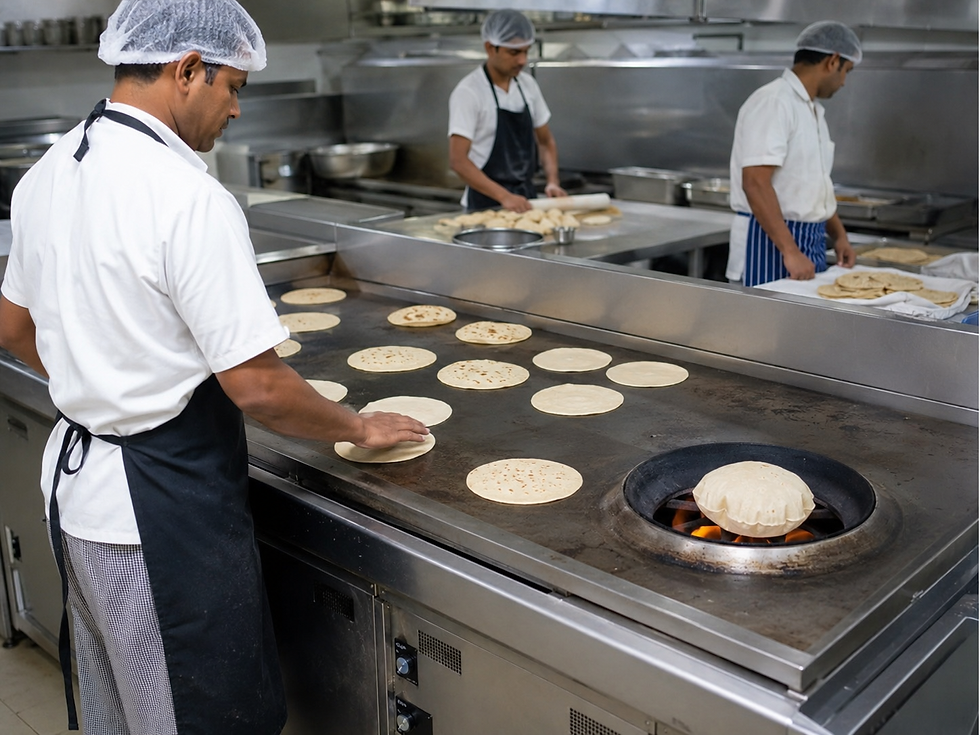
The large plate allows staff to cook multiple chapatis at once, while the puffer section helps finish them quickly. This improves workflow and reduces dependency on small tawas.
Serving customers across Delhi, Gurgaon, and Noida, Capital Equipment India offers a wide range of commercial kitchen equipment designed for efficient food preparation, cooking, refrigeration, storage, and cleaning. Our equipment is built to support smooth kitchen operations while maintaining quality, hygiene, and productivity.
Why Commercial Chapati Plates Are Essential for High-Volume Indian Food Service
In commercial food establishments, serving fresh and perfectly cooked rotis on time is critical for customer satisfaction. Whether it is a thali restaurant, institutional canteen, hostel mess, hospital kitchen, corporate cafeteria, or catering service, large numbers of chapatis are often required within a short period. During peak meal hours, relying solely on traditional tawa-based cooking can create bottlenecks in the kitchen and slow down overall service.
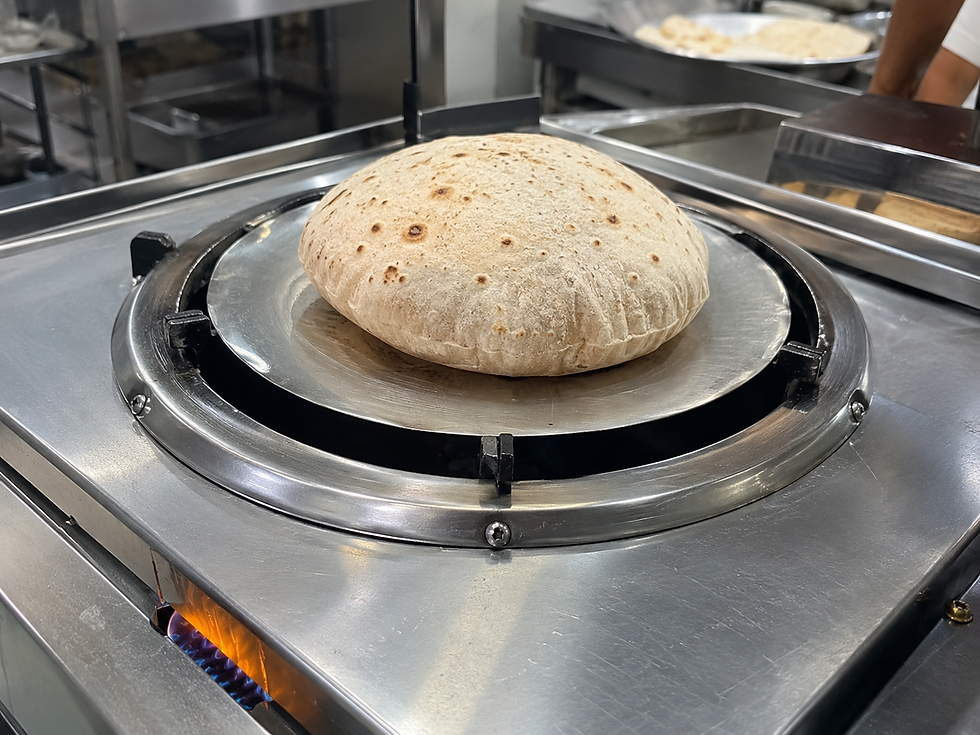
A commercial chapati plate with puffer is specifically designed to streamline large-scale roti production. The spacious cooking surface allows multiple chapatis to be cooked simultaneously, while the integrated puffer section helps achieve the soft, fully puffed texture that customers expect. This combination significantly improves production speed and ensures consistent quality across every batch.
For businesses that serve hundreds or even thousands of meals daily, investing in specialized chapati-making equipment helps maintain smooth kitchen operations and reduces delays during busy service periods.
Operational Advantages of a Commercial Chapati Plate with Puffer
Modern commercial kitchens prioritize efficiency, consistency, and productivity. A commercial chapati plate with puffer contributes to all three by creating a dedicated workstation for roti preparation.
Some of the key operational benefits include:
Faster Roti Production
The large cooking surface enables staff to prepare multiple chapatis at once, helping meet high customer demand without compromising quality.
Consistent Cooking Results
Uniform heat distribution ensures that every roti receives even cooking, reducing the chances of undercooked or overcooked products.
Reduced Labor Pressure
By simplifying the cooking process, staff can produce more rotis in less time, allowing the kitchen team to focus on other food preparation tasks.
Improved Service Speed
Quick roti production means customers receive fresh bread faster, enhancing the dining experience and increasing customer satisfaction.
Better Kitchen Organization
Combining cooking and puffing functions into one workstation creates a more organized workflow and minimizes unnecessary movement within the kitchen.
Enhanced Hygiene Standards
A dedicated chapati station helps maintain a cleaner preparation area and supports better food safety practices.
Important Factors to Consider Before Purchasing a Commercial Chapati Plate
Selecting the right chapati plate requires careful evaluation of your kitchen's production requirements, available space, and daily workload. The following factors can help you make a more informed investment decision.
Plate Size and Cooking Capacity
The cooking plate should be large enough to accommodate your expected roti production volume. Higher-capacity kitchens generally require larger plates to ensure uninterrupted service during peak hours.
Puffer Section Efficiency
A properly designed puffer ensures chapatis achieve the desired softness and puffed texture while reducing finishing time.
Burner Performance
Strong and reliable burners provide stable heat output, helping maintain consistent cooking temperatures throughout long operating hours.
Construction Material
A high-grade stainless steel body offers superior durability, corrosion resistance, and easy maintenance, making it ideal for demanding commercial environments.
Plate Thickness
The thickness of the cooking plate directly affects heat retention and temperature stability. Thicker plates typically provide more uniform cooking and improved energy efficiency.
Heat Distribution
Even heat distribution across the cooking surface prevents hot spots and helps ensure every chapati is cooked consistently.
Ergonomic Design
Proper working height and operator-friendly design improve comfort and productivity, particularly in kitchens that produce large quantities of rotis daily.
Cleaning and Maintenance Accessibility
Easy-to-clean surfaces and accessible components simplify daily maintenance and help maintain hygiene standards.
Expert Guidance for Choosing the Right Chapati Plate
Every food service operation has unique production requirements. A small restaurant serving a limited number of meals each day requires different equipment compared to a large hostel mess, industrial canteen, hospital kitchen, or corporate cafeteria.
Our approach focuses on understanding your actual operational needs before recommending a suitable commercial chapati plate with puffer. Factors we consider include:
Daily roti production volume
Number of meals served per day
Kitchen size and available workspace
Type of establishment
Staff requirements and workflow
Future expansion plans
By matching equipment capacity with real kitchen demand, businesses can avoid investing in undersized machines that struggle during busy periods or oversized equipment that consumes unnecessary space and resources.
For restaurants, canteens, hostels, hotels, hospitals, and catering businesses across Delhi, Noida, Gurgaon, Faridabad, Ghaziabad, and surrounding NCR regions, selecting the right chapati plate can significantly improve productivity, service efficiency, and overall kitchen performance.
Ideal Applications of Commercial Chapati Plates with Puffers
These versatile machines are widely used in:
Thali restaurants
Multi-cuisine restaurants
Corporate cafeterias
Educational institution canteens
Hostel and mess kitchens
Hospital food service facilities
Industrial canteens
Catering businesses
Banquet kitchens
Community dining halls
Cloud kitchens specializing in Indian meals
Their ability to deliver consistent quality, high production capacity, and efficient operation makes them an essential component of modern commercial kitchen infrastructure
Why Fresh Rotis Matter in Large-Scale Food Service
In many Indian food establishments, roti is not just a side item it is a core part of the meal. Customers often judge meal quality based on the freshness, softness, and temperature of the rotis served to them. Whether it is a thali restaurant, corporate cafeteria, hostel mess, or hospital kitchen, serving fresh chapatis consistently can significantly improve customer satisfaction.
When rotis are prepared too slowly, customers may experience delays, while large pre-prepared batches can lose their softness before reaching the serving counter. A commercial chapati plate with puffer helps maintain a continuous production cycle, ensuring that rotis are available fresh throughout service hours.
Managing High Roti Demand During Peak Meal Hours
Many commercial kitchens experience intense demand during lunch and dinner service. In institutional kitchens, hundreds of rotis may be required within a very short period. Traditional cooking methods can create bottlenecks that affect the entire meal distribution process.
A dedicated chapati station helps kitchens manage:
Large lunch-time meal service
Dinner rush operations
Employee meal programs
Student dining facilities
Buffet service requirements
Catering event production
By improving production flow, kitchens can serve more people without increasing preparation delays.
The Importance of Consistency in Chapati Preparation
Consistency is one of the biggest challenges in large-scale food production. Customers expect every roti to have a similar size, texture, and level of cooking. Variations can affect both presentation and customer experience.
A properly designed chapati plate with puffer helps maintain:
Uniform cooking across batches
Better chapati texture
Consistent puffing results
Improved serving appearance
Reduced food rejection and wastage
This becomes especially important for businesses serving hundreds of meals every day.
Supporting Institutional and Community Kitchens
Commercial chapati plates are particularly valuable for organizations that prepare food for large groups of people on a daily basis. These operations require dependable equipment capable of maintaining production efficiency over long working hours.
Common users include:
Educational Institutions
Schools, colleges, and universities often need large quantities of rotis prepared within strict meal schedules.
Healthcare Facilities
Hospitals require timely meal preparation for patients, staff, and visitors throughout the day.
Industrial Canteens
Factories and manufacturing facilities use chapati plates to support employee dining operations
.
Community Food Programs
Large-scale food distribution centers and community kitchens benefit from equipment that can handle continuous production.
Creating a More Organized Roti Production Process
Kitchen efficiency depends heavily on workflow organization. When chapati preparation is scattered across multiple cooking stations, staff movement increases and productivity can suffer.
A commercial chapati plate with puffer creates a dedicated production area where cooking and puffing take place in a structured sequence. This helps:
Reduce unnecessary staff movement
Improve coordination among kitchen teams
Increase production efficiency
Simplify supervision
Improve overall kitchen organization
For businesses operating high-volume meal services, these workflow improvements can contribute significantly to daily productivity.
Why Growing Food Businesses Upgrade to Commercial
Chapati Equipment
Many food businesses begin with traditional tawa-based cooking methods. However, as customer volume increases, maintaining production speed becomes more difficult.
Common reasons businesses upgrade include:
Growing customer demand
Expansion of dining capacity
Increased catering orders
Higher meal production requirements
Need for better workflow management
Desire to improve service speed
Investing in specialized chapati-making equipment allows businesses to scale operations more effectively while maintaining food quality standards.
al roti preparation.
Frequently Asked Questions
What is a commercial chapati plate with puffer?
A commercial chapati plate with puffer is a specialized cooking station designed for preparing large quantities of rotis, chapatis, and phulkas efficiently in commercial kitchens.
Who commonly uses commercial chapati plates?
Restaurants, canteens, hostels, hospitals, hotels, industrial cafeterias, educational institutions, and catering businesses commonly use this equipment.
What is the purpose of the puffer section?
The puffer section helps chapatis expand properly, creating soft and fully puffed rotis with better texture and appearance.
Can a commercial chapati plate improve meal service speed?
Yes. It allows multiple chapatis to be cooked and finished simultaneously, helping kitchens handle large meal volumes more efficiently.
Why is consistency important in chapati production?
Consistent chapatis improve food presentation, customer satisfaction, and overall meal quality, particularly in high-volume food service operations.
Is a chapati plate suitable for catering businesses?
Yes. Catering businesses often need to prepare large quantities of rotis quickly, making a commercial chapati plate a valuable addition to their kitchen.
How do I choose the right size chapati plate?
The ideal size depends on daily roti production requirements, customer volume, available kitchen space, and future expansion plans.
Does a commercial chapati plate help reduce labor pressure?
A dedicated chapati production station can improve efficiency and reduce the workload associated with large-scale manual roti preparation.


Comments